Sustainable Agriculture And Enable Enterprise Voluntary Association
Sustainable Agriculture And Enable Enterprise Voluntary Association
Climate Resilient Farming
The Challenge
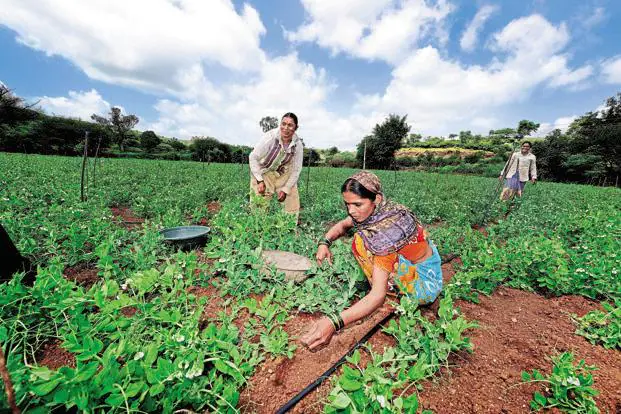
In dryland belt, cotton dominates the fields—but this dependence, paired with degraded soils, erratic rainfall, and chemical farming, traps small farmers in debt and uncertainty.
Our 1-Hectare Solution
SEVA Foundation introduces a regenerative, integrated farming model tailored for small and marginal farmers. By blending agroforestry, circular agriculture, and carbon farming, we enable long-term income, soil revival, and climate resilience.
Our Agricultural Work Model
1. Agroforestry-Based Crop Diversification • Short-Term (6–12 months): Marigold, Moringa, Papaya • Medium-Term (3 years): Mango, Custard Apple • Long-Term (10 years): Teak (Sagwan) for timber income 2. Circular Use of Crop Residue • Cotton stalks are converted to Biochar → improves soil health and enables carbon income • Controls pests like pink bollworm and reduces farm emissions 3. Smart Water Use • Promotes drip irrigation • Encourages mulching and dryland-compatible cropping techniques 4. Soil Health Revival • Soil testing and tailor-made fertilization plans • Natural pest control → lower costs, higher yields
Why It Works
• Climate Resilient: Works in low-water, low-input zones • Financially Inclusive: Minimal investment, maximum returns • Farmer-Centric: Built on farmer groups, ownership, and market linkages • Scalable: A replicable model for dryland regions across Maharashtra
Income Streams Per Hectare
Crop/Activity Timeline Expected Income Marigold 1st Year ₹7,000 Moringa 1st Year ₹13,500/year Mango From Year 3 ₹13,600/year Teak (Sagwan) After 10 Years ₹5,00,000 (lump sum) Biochar + Carbon Annual ₹8,000–₹10,000